 Pratik Sahu
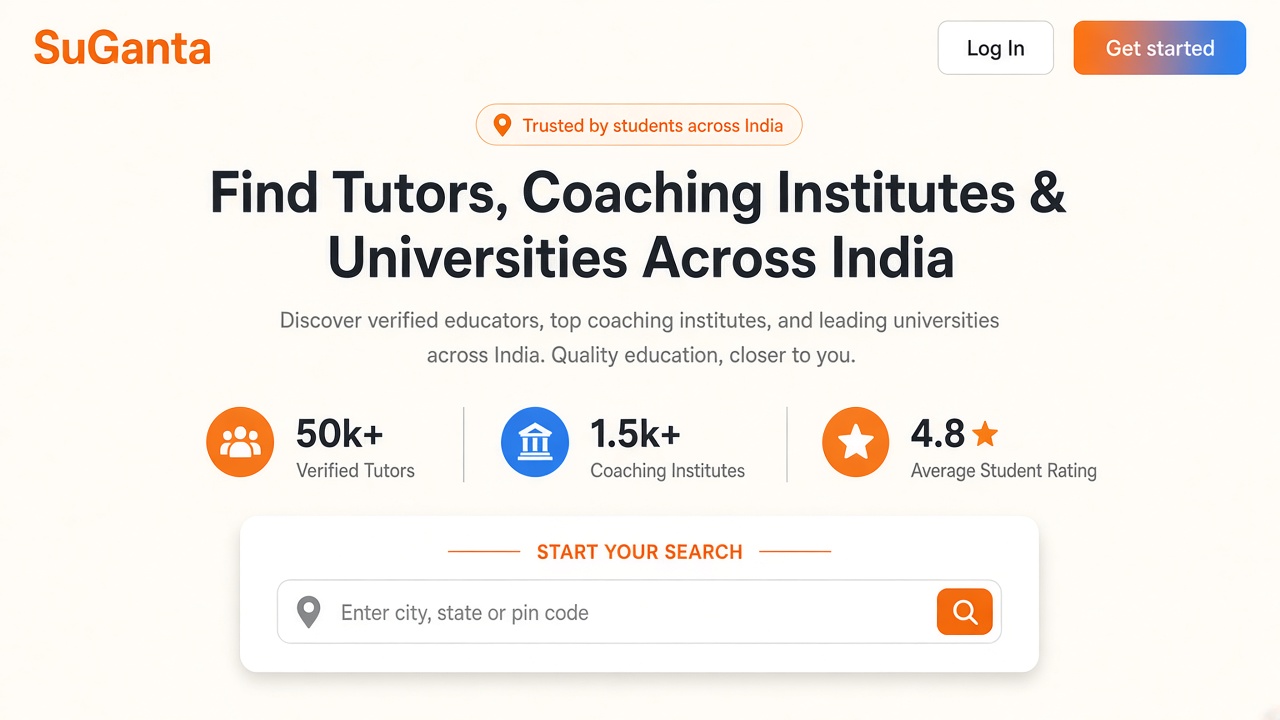
suganta.com
SuGanta EdTech Platform
Scalable multi-tenant backend services for Students, Teachers, and Institutes.
Overview
SuGanta connects students, teachers, and institutes on one EdTech platform with separate experiences per role while sharing core services such as accounts, content, and notifications.
The backend is built for tenancy isolation, scalable REST APIs, and caching layers that protect the database during peak academic seasons.
Key deliverables
- Designed scalable multi-tenant backend services for Students, Teachers, and Institutes.
- Created REST APIs with Laravel, Spring Boot, and FastAPI; implemented JPA/Hibernate, Redis caching, and GCP deployment.
Technical challenges
- Modeling tenant boundaries so institute data never leaks across organizations.
- Running PHP (Laravel), Java (Spring Boot), and Python (FastAPI) services with consistent API contracts.
- Deploying reliably on GCP with Redis-backed caching for hot read endpoints.
Outcomes
- Multi-tenant services for students, teachers, and institutes with clear domain boundaries.
- REST APIs across Laravel, Spring Boot, and FastAPI with JPA/Hibernate and Redis caching.
- Production deployment patterns on GCP for API and worker workloads.
Technologies
Explore related skills in the skills directory or read engineering notes on the blog.
Frequently asked questions
What is SuGanta?
SuGanta is an EdTech platform at suganta.com that serves students, teachers, and institutes with role-specific workflows on shared backend services.
Why use multiple backend frameworks on SuGanta?
Different services map to team strengths and integration needs—Laravel for rapid product APIs, Spring Boot for enterprise Java modules, FastAPI for specialized Python workloads—unified behind REST.
How is multi-tenancy handled?
Tenant scope is enforced in application logic, authentication, and queries so each institute’s data remains isolated with auditable access patterns.